

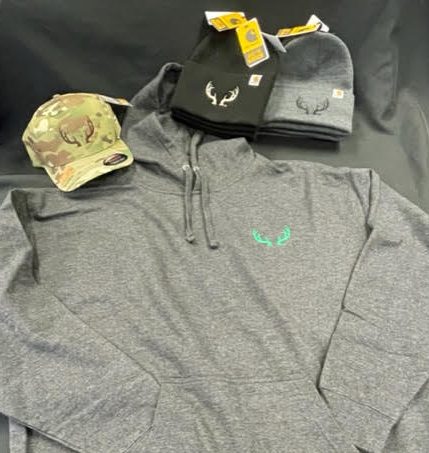
Ordering 144 hoodies sounds simple enough.
Same product, same design, same order, done.
And sometimes, that is exactly what you need.
The question is whether one product is enough to carry the whole custom merch program.
Diversifying your order is a simple way to make the same quantity work harder by giving more people a reason to buy.
Instead of putting the whole order into one product, you can spread the quantity across a few smart options that still feel connected. The line stays focused, but shoppers get more ways to find something they actually want.
What diversified custom merch buying actually means
Diversified buying doesn’t mean ordering a random mix of products just to make the table look full. It means building a smarter merchandise mix.
Instead of putting the entire order into one item, you look at the total quantity and ask how that order could be divided in a way that gives people better choices.
If you need 144 pieces, ordering 144 of the same item can feel like the simplest choice. But when people are buying merch for themselves, they aren’t all shopping for the same thing.
One person may want the coziest hoodie on the table, while someone else may love the design but prefer a t-shirt at a lower price point.
Dividing an order of 144 pieces between different options gives the custom merch line more range without turning it into a huge project.
The cost piece people often miss
This is one of those little merch planning details that can change the whole conversation.
A lot of people assume that dividing an order between hoodies, t-shirts, and zip-ups automatically increases the print cost.
That’s not always the case.
If the same design is printed on the same location, the printing costs can remain the same even when the garments are split across different apparel styles.
That means you may be able to create a more interesting merchandise mix without giving up the efficiency of the order.
Of course, the cost of each blank item may vary. A hoodie, t-shirt, and zip-up are not usually the same price before printing. The important part is that the print setup may not need to change just because the apparel mix does.
Different shoppers want different things
A strong event merch line thinks about how people actually shop. Different products give different shoppers a way in.
- T-shirts are an easy entry point for someone who likes the design but does not want to spend as much.
- Hoodies bring the cozy, familiar option people already know they will use.
- Zip-ups work well for shoppers who want a layering piece they can wear beyond the event.
- Hats make sizing easier and can appeal to people who are not looking for another shirt.
- Small items like stickers, mugs, totes, or accessories give people a lower-commitment way to take the brand or event home with them.
When you give different types of shoppers a way into the line, you create more chances for the branded merchandise to move.
Keep the custom merch line focused
Diversifying your order should not make the custom merch table feel scattered. Every item still needs a reason to be there, and the full line should feel like it belongs together.
Before adding another product, it helps to ask:
- Does this give shoppers a choice they do not already have?
- Does it add a useful price point, style, or function?
- Does it make sense for the event, season, or audience?
- Will it look right next to the other pieces on the table?
- Does it support the overall brand or event vibe?
This is where the difference between “more stuff” and “smarter variety” really matters. A good merch mix gives people options without making the table harder to shop.
A better mix gives the order more chances to sell
When the whole budget goes into one product, the success of the order depends on that one item being right for enough people.
A more balanced merch mix spreads the opportunity across different shoppers, styles, and price points. Someone might skip the hoodie but buy the t-shirt. Someone else might already have a t-shirt and choose the zip-up because it feels more useful. Another shopper might grab a hat or small item because it is easy to buy on the spot.
A thoughtful merch planning process can help you:
- Give people more reasons to buy
- Offer different price points without overcomplicating the line
- Reduce the risk of putting too much budget into one item
- Create more opportunities for multiple-item purchases
- Build a table that feels more complete and easier to shop
The merch table does not have to be huge to work well. It just needs the right balance.
Keep the whole line cohesive
Diversifying custom merch does not mean the table should feel like a pile of unrelated products.
The best lines still have a clear look and feel.
That might come through the color palette, the artwork, the product choices, or the way everything is displayed. When the pieces feel connected, the table looks more polished and the merch feels more intentional.
This is especially important for events, festivals, fundraisers, and brand activations where branded merchandise is part of the overall experience.
A good mix should feel like it belongs together, even when the products are different.
The best custom merch decisions usually happen before anything gets printed
The right merch mix depends on the audience, the budget, the season, the timeline, and how people are actually going to shop.
At Happy Llama, these are the kinds of details we like to think through before anything goes to print. Not to make the process more complicated, but to help the final merch line feel more useful, more intentional, and easier to buy from.
Sometimes the best merch advice isn’t about adding more. It’s about choosing better.
Planning a merch order? Bring us the idea, and we’ll help you build a mix that makes sense before anything goes to print.
